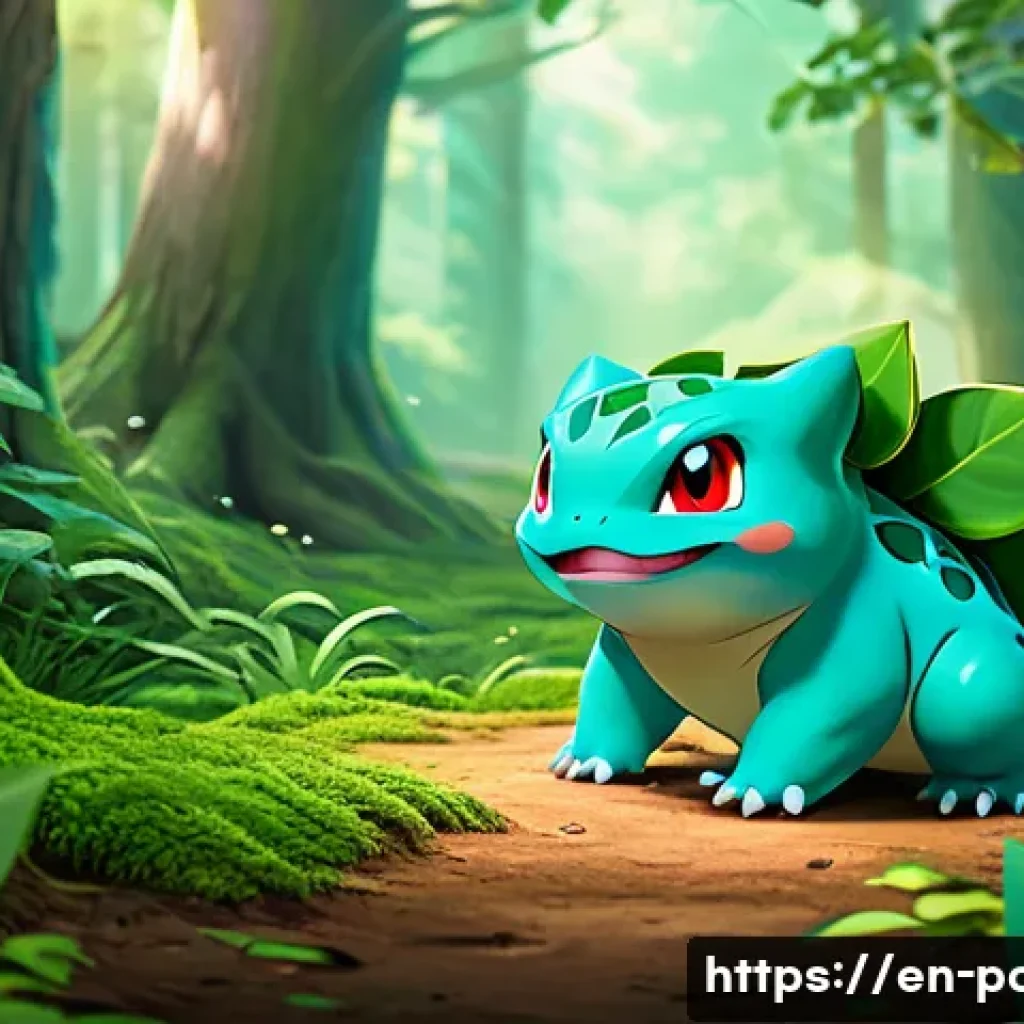
In the world of Pokémon anime, each iconic Pokémon isn’t just defined by their looks or powers but also by unique personalities and traits that make them truly memorable.
Whether it’s Pikachu’s loyal and spirited nature or Charizard’s fierce yet sometimes stubborn attitude, these characteristics add depth to their roles in the story.
Understanding these traits helps fans connect more deeply with their favorite Pokémon and appreciate the subtle storytelling woven through the series.
These personalities often influence their battles, friendships, and growth throughout the episodes. Let’s dive into the fascinating personalities and special traits of these beloved Pokémon to see what makes them stand out so much!
We’ll get into the details below.
Unraveling the Layers Behind Pokémon’s Distinctive Temperaments
The Subtle Balance of Strength and Sensitivity
Many Pokémon in the anime defy the stereotype of being purely battle-focused creatures. Take Bulbasaur, for example. Beneath its tough exterior lies a surprisingly nurturing side, often showing concern for its friends and even other Pokémon.
This duality makes Bulbasaur relatable; it’s not just a fighter but also a companion who values trust and loyalty deeply. I remember an episode where Bulbasaur’s protective instincts kicked in—not through brute force but through a careful, thoughtful approach, which made the moment more impactful.
These moments highlight how Pokémon personalities aren’t one-dimensional but layered with emotions and intentions, enriching the storytelling experience.
Playfulness That Drives Connection
Playfulness is a trait that often endears Pokémon to both their trainers and fans. Take Jigglypuff, whose mischievous singing and unexpected antics add humor and charm to the series.
But it’s not just for laughs; Jigglypuff’s desire to be understood and appreciated resonates on a deeper level. This playfulness creates memorable interactions and shows that personality quirks can be just as powerful as battle skills in defining a Pokémon’s role.
From my perspective, these lighter moments provide balance, keeping the series enjoyable and layered with emotional highs and lows.
Unwavering Determination in the Face of Challenges
When it comes to determination, no one embodies it quite like Ash’s Pikachu. Its refusal to give up, even when outmatched, is inspiring. What’s fascinating is how Pikachu’s stubbornness sometimes clashes with its affectionate nature, creating a complex character that feels authentic.
I’ve noticed that this blend of traits keeps viewers hooked because it mirrors real-life struggles where perseverance and emotion coexist. Watching Pikachu grow through battles and setbacks adds a dynamic layer that goes beyond simple heroics.
How Evolving Friendships Shape Pokémon Behavior
Trust Building Through Shared Experiences
Friendship is a cornerstone in the Pokémon world, and it’s fascinating to see how trust evolves over time. Charmander’s initial distrust toward Ash is a great example.
It wasn’t instant love at first sight; Charmander’s journey from skepticism to loyalty reflects a believable emotional arc. Observing these changes makes me appreciate the depth writers put into the relationships, emphasizing that bonds are earned, not given.
It also adds an element of realism, reminding us that patience and understanding are essential in any partnership.
Influence of Trainers on Pokémon Growth
The personality of a Pokémon is often shaped by its trainer’s style and attitude. For instance, Misty’s assertive and caring approach influences her Starmie’s confidence and battle readiness.
This dynamic interplay suggests that Pokémon personalities aren’t static but adaptable, responding to the environment and experiences. From what I’ve gathered watching multiple seasons, this fluidity keeps the series fresh and relatable, mirroring how people grow and change in relationships and challenges.
Conflict and Resolution Among Pokémon Teams
Group dynamics among Pokémon add another layer of complexity. Sometimes, rivalries or misunderstandings within a team lead to tension, which eventually resolves through teamwork and mutual respect.
For example, the occasional clashes between Ash’s Pikachu and other party members create realistic friction, reflecting how even close friends can disagree.
These moments enrich the narrative, showing that growth often comes from overcoming differences rather than avoiding them.
Hidden Depths in Legendary and Mythical Pokémon
Mystery Wrapped in Power
Legendary and mythical Pokémon often carry an aura of mystery that extends beyond their immense strength. Take Mewtwo, whose complex emotions of anger, confusion, and longing make it more than just a powerful creature.
This emotional depth makes Mewtwo’s story compelling, as it wrestles with its identity and purpose. Personally, I found these moments profoundly moving because they remind us that even beings perceived as invincible have vulnerabilities and desires, making their stories universally relatable.
Guardians with Purpose Beyond Battle
Many legendary Pokémon serve roles as protectors or symbols within the Pokémon world. Lugia, for example, is not just a fierce combatant but a guardian of the seas, embodying balance and harmony.
These roles provide context for their actions and personalities, adding weight to their appearances. Observing how the anime weaves these traits into their stories reveals a thoughtful approach to character building that goes beyond surface-level spectacle.
The Emotional Complexity of Mythical Pokémon
Unlike typical Pokémon, mythical ones often display emotions that feel deeply philosophical or existential. Celebi, with its time-traveling abilities, represents hope and renewal, but also loneliness, given its rarity and unique existence.
These themes resonate on a human level, adding layers to the narrative that provoke reflection. From what I’ve experienced watching these episodes, the emotional complexity challenges viewers to think beyond battles and powers, inviting a more profound connection.
Unexpected Humor and Quirks that Light Up the Screen
Comic Relief Through Personality Flaws
Some Pokémon bring levity through their amusing flaws and quirks. Psyduck’s constant headaches and confusion, for example, turn into a running gag that never gets old.
It’s interesting how such traits can make a character lovable despite—or maybe because of—their imperfections. I often find myself laughing along with these moments, which provide a necessary break from intense story arcs and remind us that imperfection is part of what makes characters relatable.
Unique Communication Styles
Communication varies widely among Pokémon, from the expressive eyes of Eevee to the vocal mimicry of Meowth. These differences add flavor to interactions and often lead to humorous misunderstandings or heartwarming connections.
For example, Meowth’s ability to speak human language sets it apart, allowing for witty banter and clever insights that deepen its personality. These communication quirks not only entertain but also help convey emotions in ways that words alone can’t.
Charm in Unpredictability
The unpredictability of certain Pokémon, like Snorlax’s sudden bursts of energy or laziness, keeps viewers on their toes. This unpredictability can lead to surprising moments that break the mold of typical behavior, making episodes more engaging.

I’ve found that these unexpected traits often lead to memorable scenes that stick with fans long after watching, showcasing how personality quirks contribute significantly to a Pokémon’s lasting appeal.
The Role of Emotional Growth in Pokémon Development
From Self-Doubt to Confidence
Many Pokémon undergo emotional journeys that mirror human experiences of growth. Squirtle, for instance, starts off somewhat shy and unsure but gradually becomes a confident fighter and loyal friend.
Witnessing this transformation adds depth to its character and makes its victories feel earned and rewarding. I’ve seen firsthand how such arcs encourage viewers to root for their favorites, as growth feels authentic rather than scripted.
Learning from Mistakes and Setbacks
Failures and mistakes are pivotal in shaping Pokémon personalities. Ash’s Pikachu often learns from losses, adapting its strategies and becoming stronger emotionally and physically.
This process resonates because it reflects real-life lessons about resilience and humility. The anime does an excellent job of showing that setbacks aren’t endings but opportunities for growth, which adds motivational value for viewers.
Building Empathy Through Shared Struggles
Emotional growth also fosters empathy among Pokémon and their trainers. Episodes where Pokémon comfort each other during tough times highlight the importance of support and understanding.
Personally, I find these moments touching because they emphasize that strength isn’t just about power but also emotional connection. This theme enriches the narrative, making the Pokémon world feel warm and relatable.
Charting Personality Traits Across Iconic Pokémon
| Pokémon | Key Personality Traits | Typical Behavior | Impact on Story |
|---|---|---|---|
| Pikachu | Loyal, Stubborn, Brave | Refuses to give up, deeply attached to Ash | Drives many emotional battles and growth moments |
| Charizard | Fierce, Proud, Sometimes Rebellious | Often challenges trainers, shows strong independence | Highlights themes of trust and redemption |
| Bulbasaur | Protective, Caring, Steadfast | Supports friends, cautious in battle | Demonstrates loyalty and thoughtful leadership |
| Jigglypuff | Mischievous, Sensitive, Playful | Sings to put others to sleep, seeks attention | Adds humor and emotional depth |
| Mewtwo | Complex, Angry, Searching for Identity | Struggles with emotions, powerful and solitary | Explores themes of self-worth and acceptance |
| Snorlax | Laid-back, Unpredictable, Endearing | Often lazy but can spring into action | Provides comic relief and surprise moments |
How Personality Traits Influence Battle Strategies
Adapting Tactics to Emotional States
Pokémon personalities directly affect how they approach battles. For example, Gengar’s playful yet mischievous nature leads it to use trickery and cunning moves rather than brute force.
This adaptability shows that battles aren’t just about strength but also about mindset. From observing various episodes, I noticed that when a Pokémon is emotionally balanced or confident, its performance improves significantly, adding an extra layer of strategy that keeps the fights engaging and unpredictable.
Synergy Between Trainer and Pokémon Temperaments
The bond between trainer and Pokémon often dictates battle dynamics. Trainers who understand their Pokémon’s quirks can tailor strategies that highlight strengths and compensate for weaknesses.
For instance, Brock’s calm and steady demeanor complements his rock-type Pokémon’s resilience, resulting in effective teamwork. I’ve found that these relationships underscore a key message: success in battles hinges not just on power but on communication and mutual respect.
Overcoming Personality Clashes During Team Battles
Sometimes, differing personalities within a team cause friction that impacts battle performance. A Pokémon with a hot-headed attitude might clash with a more cautious teammate, creating tension.
However, resolving these conflicts often leads to improved teamwork and surprising victories. Watching these dynamics play out adds realism and excitement, reminding viewers that personality diversity can be both a challenge and a strength in high-pressure situations.
Emotional Bonds as a Catalyst for Growth and Change
Transformations Triggered by Friendship
Emotional bonds often act as catalysts for powerful transformations in the Pokémon world. Take Ash’s Greninja, whose bond with Ash unlocks its unique “Ash-Greninja” form.
This transformation isn’t just physical but deeply emotional, symbolizing trust and unity. Witnessing such moments firsthand made me realize how the anime cleverly uses emotional connections to enhance character development and storytelling impact.
Healing and Support Through Companionship
Beyond battles, companionship plays a vital role in healing and emotional support. Pokémon like Chansey and Audino frequently appear as caregivers, emphasizing the nurturing side of these creatures.
These roles contribute to the series’ warmth and relatability, showing that growth isn’t just about fighting but also about caring for one another. I’ve always appreciated these gentle moments as they provide a refreshing contrast to the intensity of battles.
Enduring Bonds Beyond Challenges
The resilience of bonds, despite trials and tribulations, is a recurring theme. Even when trainers and Pokémon face setbacks or separations, their connection often endures, highlighting loyalty and love.
This enduring quality makes the relationships feel authentic and meaningful. Reflecting on these stories, I’m convinced that the emotional depth of these bonds is what keeps fans invested season after season, making the journey as important as the destination.
Concluding Thoughts
Exploring the diverse personalities of Pokémon reveals how much depth and emotion the series truly holds. These traits not only enhance battles but also create meaningful connections that resonate with viewers. Understanding these layers enriches our appreciation of the Pokémon world. It’s clear that behind every creature lies a story waiting to be uncovered.
Useful Information to Keep in Mind
1. Pokémon personalities are carefully crafted to reflect real emotions and relationships, making the series relatable beyond just action scenes.
2. Trainer influence plays a crucial role in shaping a Pokémon’s behavior and growth over time.
3. Emotional bonds often trigger significant transformations and milestones in a Pokémon’s journey.
4. Conflicts within Pokémon teams highlight the importance of communication and teamwork.
5. Legendary and mythical Pokémon embody complex themes that deepen the narrative beyond simple power displays.
Key Takeaways
Recognizing the emotional and psychological layers within Pokémon characters helps us see the series as more than just battles and adventures. The evolving friendships, individual quirks, and personal growth all contribute to a rich storytelling experience. These elements encourage viewers to connect on a deeper level and find inspiration in themes of resilience, trust, and empathy throughout the Pokémon universe.
Frequently Asked Questions (FAQ) 📖
Q: How do Pokémon personalities affect their performance in battles?
A: Pokémon personalities often shape their battle style and strategy. For example, a Pokémon like Charizard, known for its pride and stubbornness, might show a relentless fighting spirit, refusing to give up even when the odds are against it.
On the other hand, a calm and strategic Pokémon like Alakazam uses its intelligence and patience to outthink opponents. These traits make battles more dynamic and engaging, as you can often predict how a Pokémon might react based on its personality, adding an emotional layer to the fight beyond just stats and moves.
Q: Why is Pikachu’s personality so important to the Pokémon anime’s success?
A: Pikachu’s personality is a huge part of why it became such an iconic character worldwide. Its loyal, brave, and sometimes mischievous nature makes it relatable and lovable to fans of all ages.
Pikachu’s expressions and reactions often convey emotions that connect deeply with viewers, creating a bond that goes beyond just being a cute mascot.
This emotional connection helped the show gain a devoted fanbase, making Pikachu not just a powerful Pokémon but a true character with heart.
Q: Can understanding a Pokémon’s personality help fans enjoy the series more?
A: Absolutely! Knowing the unique traits and quirks of each Pokémon lets fans appreciate the storytelling on a deeper level. For example, when you recognize that Bulbasaur’s stubbornness is actually a sign of loyalty and determination, or that Jigglypuff’s singing reflects its desire to be heard and loved, the episodes become richer and more meaningful.
It turns battles and interactions into moments of character development, making the series feel more alive and personal rather than just action-packed entertainment.