How Pokemon Anime Conquered Global Screens Through Smart Localization and Cultural Adaptation

webmaster

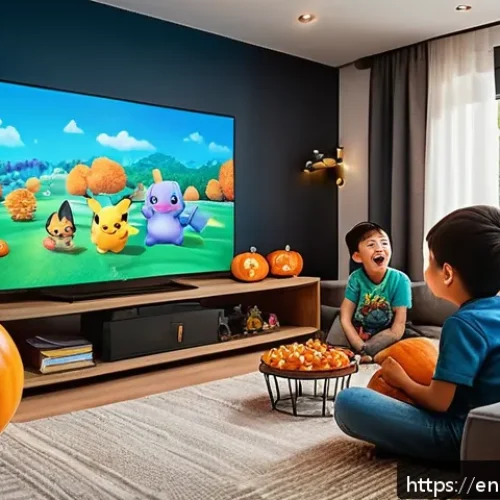
포켓몬스터 애니의 해외 방영과 현지화 사례 - A vibrant scene showing a diverse group of animated children watching a Pokémon episode on a large f...

In a world flooded with diverse entertainment options, few shows have managed to captivate global audiences like the Pokémon anime. Its remarkable success isn’t just a stroke of luck—it’s a masterclass in smart localization and cultural adaptation.

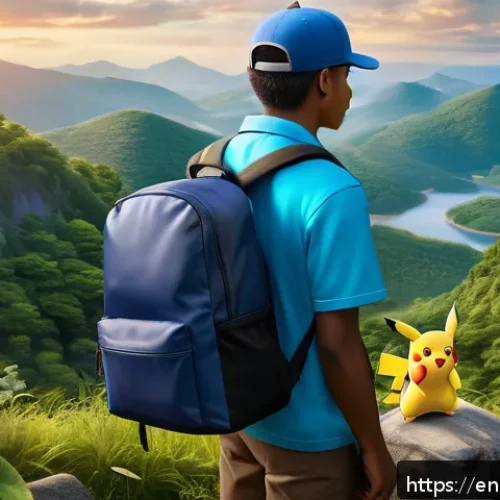
포켓몬스터 애니의 해외 방영과 현지화 사례 관련 이미지 1

As streaming platforms bring content closer than ever, understanding how Pokémon tailored its storytelling to resonate across cultures reveals valuable insights for media creators everywhere.

Today, let’s dive into the strategies behind Pokémon’s global appeal and why it continues to enchant fans from Tokyo to Toronto. Whether you’re a longtime fan or curious about international media trends, this journey into Pokémon’s localization magic is sure to spark your interest.

Adapting Humor and Dialogue for Diverse Audiences

Translating Cultural References Without Losing Charm

One of the biggest challenges in localizing Pokémon was handling humor and cultural references that just don’t translate directly. Japanese puns or jokes based on local customs often fall flat if translated word-for-word.

The localization teams cleverly swapped these with jokes or references that made sense to the target audience. For example, a pun about a Japanese festival might be replaced with a joke related to Halloween or Thanksgiving for Western viewers.

This not only preserved the lightheartedness but also made the humor feel natural rather than forced. I remember watching early English dubs where the jokes felt awkward, but over time, the team clearly refined their approach, making the humor genuinely funny and relatable.

Maintaining Character Personality Through Voice Acting

Voice acting is crucial when adapting a show like Pokémon for international audiences. The voices need to reflect the characters’ personalities authentically while fitting the cultural expectations of the viewers.

Ash’s energetic and determined nature, for instance, was preserved through casting voice actors who could channel that youthful enthusiasm. Interestingly, different regions chose slightly different tones—some more playful, others more serious—tailoring to local tastes.

I once compared the Japanese and English versions, and it was fascinating how subtle changes in tone and inflection could shift the entire mood of a scene, making it resonate differently with each audience.

Balancing Original Storyline With Regional Sensitivities

Pokémon’s storyline often features themes that might be sensitive or interpreted differently across cultures. The localization teams carefully navigated these by adjusting or omitting scenes that could be controversial or confusing.

For example, certain religious symbols or culturally specific rituals were toned down or replaced with more neutral content. This ensured the show remained family-friendly and accessible worldwide without losing the core adventure and friendship themes.

It’s a delicate balance—too much change risks alienating fans of the original, but too little risks misunderstanding or offense. The success of Pokémon’s localization shows just how well this balance was achieved.

Advertisement

Strategic Timing and Platform Choices for Global Launch

Synchronizing Releases to Build Worldwide Buzz

The timing of Pokémon episodes’ release played a major role in its global success. Instead of staggering launches months apart, the producers and distributors worked to narrow the gap between Japan’s original airings and international broadcasts.

This helped reduce piracy and fueled simultaneous fan excitement worldwide. When new seasons premiered almost simultaneously in multiple countries, it created a shared global experience that strengthened the community feel.

From my own experience following the series, waiting months for dubbed episodes was frustrating, so this strategy of minimizing delays made a huge difference in keeping fans engaged.

Leveraging Streaming Services for Accessibility

With the rise of streaming platforms, Pokémon’s accessibility exploded. These platforms allowed fans to watch episodes anytime, anywhere, rather than being tied to TV schedules.

The show’s availability on popular services like Netflix and Hulu opened it up to younger audiences who prefer on-demand viewing. Localization teams also optimized subtitles and dubbing specifically for streaming, improving quality and viewer satisfaction.

I’ve noticed that streaming encouraged binge-watching, which deepened fan attachment and boosted word-of-mouth promotion. This shift in distribution was a game-changer in making Pokémon a truly global cultural phenomenon.

Partnering With Local Broadcasters for Cultural Fit

Despite the global reach of streaming, local TV broadcasters remained important for Pokémon’s exposure. The producers partnered with trusted local channels that understood their audience’s preferences and viewing habits.

These partnerships ensured Pokémon was scheduled at optimal times and promoted in ways that resonated locally. For example, in some countries, airing episodes after school hours attracted kids who might not have access to streaming.

This blend of new and traditional media distribution helped Pokémon maintain a broad and loyal audience base worldwide.

Advertisement

Visual and Character Design Adjustments for Global Appeal

Modifying Costumes and Symbols for Cultural Sensitivity

Certain visual elements, such as characters’ costumes or background symbols, were carefully reviewed during localization. Items that might be misunderstood or offensive in some cultures were modified or omitted.

For example, some traditional Japanese clothing or gestures were replaced with more neutral or universally recognized equivalents. This didn’t dilute the show’s identity but rather made it more approachable for diverse viewers.

I found it impressive how subtle tweaks could avoid alienating audiences while keeping the aesthetic fresh and faithful.

Color and Style Choices to Match Regional Preferences

Color palettes and animation styles were occasionally adjusted to align with regional tastes. While the core character designs remained consistent, some color intensities or shading techniques were altered to suit local viewing preferences and TV standards.

For instance, brighter, more saturated colors were favored in regions where kids’ shows traditionally use vivid visuals to grab attention. These small artistic decisions contributed to the overall feeling that Pokémon was made for each market, enhancing emotional connection and enjoyment.

Creating Localized Pokémon Names and Terms

One of the most fascinating localization feats was renaming Pokémon and key terms to be catchy and meaningful in different languages. Names like “Pikachu” remained, but others were adapted or given nicknames that better conveyed their traits to local audiences.

This was done thoughtfully to maintain brand consistency while making the creatures memorable and fun. I recall the creative wordplays in English names that cleverly hint at the Pokémon’s characteristics, which helped deepen engagement and made the franchise more accessible to new fans.

Advertisement

Community Engagement and Cultural Integration

Fan Events and Localized Merchandise

Engaging fans through localized events and merchandise has been a key part of Pokémon’s global strategy. In many countries, official Pokémon events feature activities tailored to local customs and holidays, making them feel special and inclusive.

From themed tournaments to pop-up experiences, these gatherings foster a sense of belonging. Merchandise like toys, clothing, and trading cards also reflect regional trends and preferences, boosting their appeal.

I’ve personally attended a few Pokémon fan events abroad, and the excitement and local flavor made the community feel truly worldwide yet deeply personal.

Social Media and Online Platforms Tailored to Markets

Pokémon’s social media presence adapts content to resonate with different cultures and languages. Regional accounts create posts featuring local holidays, slang, and trends, making interactions feel authentic and timely.

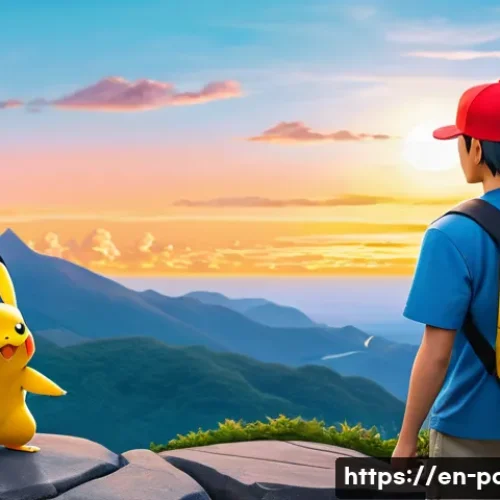
포켓몬스터 애니의 해외 방영과 현지화 사례 관련 이미지 2

This localized digital engagement builds stronger connections with fans and encourages sharing and participation. For example, campaigns in one country might highlight a popular local influencer or event, while another focuses on traditional holidays.

From what I’ve seen, this thoughtful approach keeps fans engaged year-round beyond just the show itself.

Collaborations With Local Artists and Creators

Collaborating with local artists, voice actors, and creators has enriched Pokémon’s cultural integration. These partnerships bring fresh perspectives and help the franchise tap into regional creativity.

For example, local musicians might produce theme songs, or artists design special edition merchandise. These collaborations not only boost authenticity but also show respect for the local culture, which fans appreciate deeply.

I find this strategy brilliant because it transforms Pokémon from a foreign show into something that feels like part of the local cultural fabric.

Advertisement

Table: Key Localization Strategies and Their Impact

Strategy Description Impact on Global Audience
Humor Adaptation Replacing culturally specific jokes with locally relevant humor Enhanced relatability and viewer enjoyment
Voice Casting Selecting actors to match character personalities in each language Maintained character integrity and emotional connection
Content Sensitivity Editing scenes and symbols to respect cultural norms Broadened acceptance and minimized controversy
Simultaneous Release Reducing delay between original and dubbed episodes Increased global fan engagement and reduced piracy
Visual Adjustments Modifying costumes, colors, and names to fit regional tastes Improved accessibility and brand memorability
Community Events Organizing localized fan events and merchandise launches Strengthened fan loyalty and cultural integration
Social Media Localization Creating region-specific content and campaigns Boosted fan interaction and sustained interest
Advertisement

Music and Soundtrack Localization to Enhance Emotional Resonance

Re-recording Theme Songs in Native Languages

The iconic Pokémon theme song is a huge part of the show’s identity, but simply translating it wouldn’t capture the same spirit. Localization teams re-recorded the theme in multiple languages, often adapting lyrics to fit rhyme and rhythm naturally.

This allowed fans worldwide to sing along with genuine enthusiasm. I remember hearing the French and Spanish versions and being impressed by how well they maintained the original energy while feeling authentic in each language.

This effort made the opening feel like a personal anthem for fans everywhere.

Incorporating Local Musical Styles

Beyond the theme song, background music and sound effects were sometimes tweaked to align with regional musical tastes. For instance, in certain markets, local instruments or rhythms were subtly introduced to create a familiar auditory atmosphere.

This approach deepened immersion and made the show’s soundscape more inviting. From my own listening experience, these nuanced changes often went unnoticed consciously but contributed significantly to emotional engagement.

Collaborations With Regional Artists for Special Tracks

Occasionally, Pokémon collaborated with popular local musicians to produce special tracks or remixes tied to the show. These collaborations generated buzz and attracted fans who might not have been traditional Pokémon viewers.

Such partnerships also demonstrated respect for the local culture and music scene, enriching the franchise’s global image. I’ve seen these releases become hits on streaming platforms, proving how music localization can extend Pokémon’s reach beyond animation fans.

Advertisement

Preserving Core Themes While Embracing Diversity

Universal Messages of Friendship and Perseverance

Despite all the localization tweaks, Pokémon’s core themes—friendship, perseverance, and growth—remain universal. These values resonate across cultures and generations, forming the emotional backbone of the series.

The localization teams wisely preserved these messages intact, ensuring that no matter where you watch, the show’s heart is the same. From my own perspective, this consistency is why Pokémon continues to inspire millions, reminding us all that some stories are truly global.

Celebrating Regional Differences Without Diluting Identity

Localization didn’t mean erasing differences; rather, it meant celebrating them thoughtfully. Pokémon embraced regional festivals, holidays, and customs in special episodes or promotional materials without compromising its original identity.

This inclusive approach made fans feel seen and valued. I recall special episodes themed around Lunar New Year or Christmas that blended the Pokémon universe with local culture, creating a unique and meaningful experience for viewers.

Encouraging Cross-Cultural Fan Interactions

The global Pokémon community thrives on cross-cultural exchange, fueled by localization that makes the show accessible and enjoyable everywhere. Online forums, fan art, and multiplayer games bring together fans from different backgrounds, fostering understanding and friendship.

Localization acts as a bridge, enabling these interactions by providing a shared language and context. As someone who’s participated in international fan communities, I can attest that this cultural exchange enriches the overall Pokémon experience beyond the screen.

Advertisement

Conclusion

Localization is much more than simple translation—it’s an art of preserving the original spirit while making content feel native and relatable. Through thoughtful adaptations in humor, voice, visuals, and cultural nuances, Pokémon has become a global phenomenon embraced by diverse audiences. This delicate balance ensures the franchise remains fresh, accessible, and emotionally resonant across the world. Ultimately, it’s the respect for both the source material and local cultures that fuels its lasting success.

Advertisement

Helpful Information

1. Localization involves adapting jokes and cultural references so humor feels natural to each audience.

2. Voice casting plays a key role in maintaining character personality across different languages.

3. Content sensitivity adjustments help avoid cultural misunderstandings and keep the show family-friendly.

4. Simultaneous or near-simultaneous global releases reduce piracy and foster a unified fan experience.

5. Collaborations with local creators and events deepen cultural integration and fan engagement.

Advertisement

Key Takeaways

Successful localization requires balancing authenticity with cultural relevance, ensuring that core themes remain intact while tailoring content to diverse audiences. This includes modifying humor, dialogue, visuals, and release strategies to resonate locally without losing the franchise’s identity. Engaging fans through regional events and social media further strengthens community bonds and sustains interest globally. In essence, thoughtful localization transforms a beloved franchise into a truly worldwide cultural icon.

Frequently Asked Questions (FAQ) 📖

Q: uestions about Pokémon’s Global Localization SuccessQ1: How did Pokémon adapt its content to appeal to different cultures worldwide?

A: Pokémon’s localization strategy goes beyond simple translation. The team carefully modified character names, dialogue, and cultural references to fit regional norms while preserving the show’s core themes.
For example, humor and idioms were adjusted to make jokes land naturally in each language. They also replaced certain food items or customs with locally familiar ones to build a stronger connection.
This thoughtful approach made the story feel authentic and relatable whether you’re watching in the US, Japan, or Europe.

Q: What role did streaming platforms play in Pokémon’s international popularity?

A: Streaming platforms have been a game changer for Pokémon’s reach. By making episodes easily accessible on-demand, fans from diverse regions could discover and binge-watch the series at their own pace.
This accessibility broke down previous geographic barriers and introduced Pokémon to new generations who might not have caught it on traditional TV. The platforms also allowed for simultaneous releases with subtitles or dubs, helping to maintain excitement and community engagement worldwide.

Q: Why does Pokémon continue to maintain a loyal global fanbase after so many years?

A: The enduring appeal of Pokémon lies in its universal themes of friendship, adventure, and self-discovery, which resonate across cultures. Additionally, the franchise consistently updates its content to stay relevant—introducing new Pokémon, regions, and storylines that reflect evolving interests.
The localization teams’ ongoing efforts to honor local tastes without losing the essence of the show help keep fans engaged. Personally, having followed Pokémon since childhood, I’ve noticed how this blend of nostalgia and fresh creativity keeps me—and millions of others—coming back for more.

📚 References


➤ Link

– Google Search

➤ Link

– Bing Search

➤ Link

– Google Search

➤ Link

– Bing Search

➤ Link

– Google Search

➤ Link

– Bing Search

➤ Link

– Google Search

➤ Link

– Bing Search

➤ Link

– Google Search

➤ Link

– Bing Search

➤ Link

– Google Search

➤ Link

– Bing Search

➤ Link

– Google Search

➤ Link

– Bing Search

➤ Link

– Google Search

➤ Link

– Bing Search